Efficiency with evidence
ABB Motor Sustainability Starts With Correctly Sized IE3 and IE4 Duty
A motor only saves energy when it is matched to the load, the control method, and the maintenance reality. Oversizing, incorrect VFD setup, poor ventilation, and ignored starts per hour can erase the benefit of a premium efficiency nameplate.
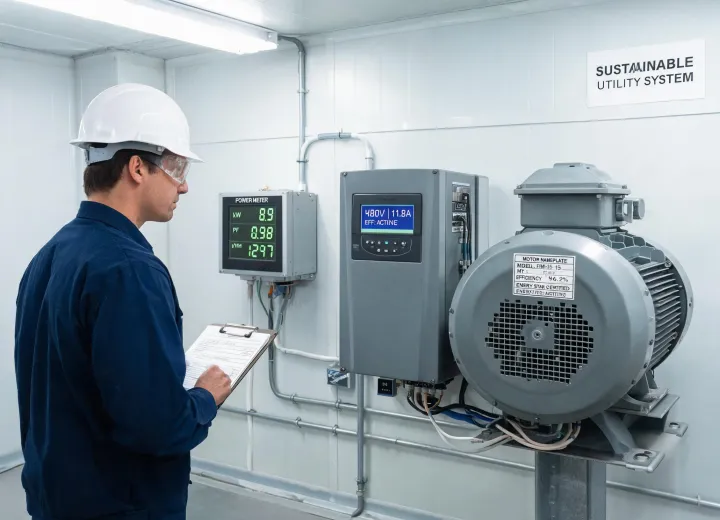
Efficiency is a selection discipline, not a badge line.
ABB Motor treats sustainability as an engineering consequence. The first question is not whether an IE4 motor looks better in a brochure. The first question is whether the application has enough operating hours, load stability, voltage quality, and control opportunity to justify the specification. In a pump station, a properly commissioned VFD can reduce wasted throttling energy. In a conveyor zone, the best path may be a correctly rated IE3 motor with starter coordination because speed control adds cost without changing the duty. In a fan application, ramp parameters, cable length, and enclosure temperature can decide whether the installation remains efficient after the first year.
"The lowest carbon motor package is the one that keeps the plant running efficiently for the actual load profile."
The sustainability workflow therefore includes nameplate comparison, load profile review, VFD opportunity screening, spare strategy, and end-of-life replacement planning. Documentation references IE3/IE4, IEC 60034, enclosure, duty type, and maintenance access so procurement can compare options without reducing the decision to a single upfront price.
Practical efficiency checkpoints
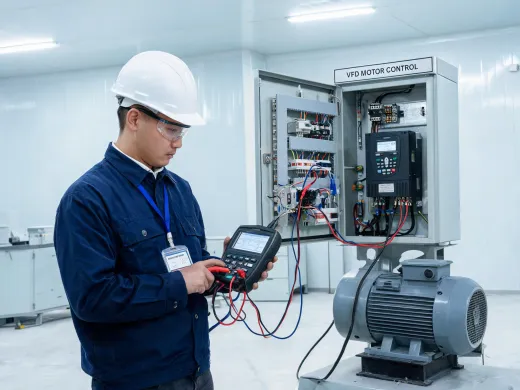
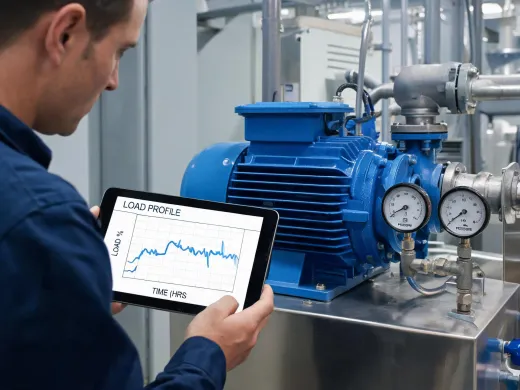

Review the energy case with real duty data.
Share power rating, annual operating hours, load profile, and control method. ABB Motor will help separate useful efficiency moves from cosmetic specification changes.